I grew up in the UK.
We played rounders, not baseball.
I’d never heard of the Savannah Bananas.
And yet, twenty minutes into listening to Jesse Cole speak, I realised I was hearing one of the clearest modern examples of brand-first leadership I’ve ever come across.
Not marketing.
Not storytelling.
Not gimmicks.
Brand decisions. Taken to their logical extreme.
When You Have Nothing — And Choose Brand Anyway
February 2016.
A twin air mattress in a converted garage.
Thirty dollars for a week of groceries.
Two tickets sold in three months.
Seven figures in debt.
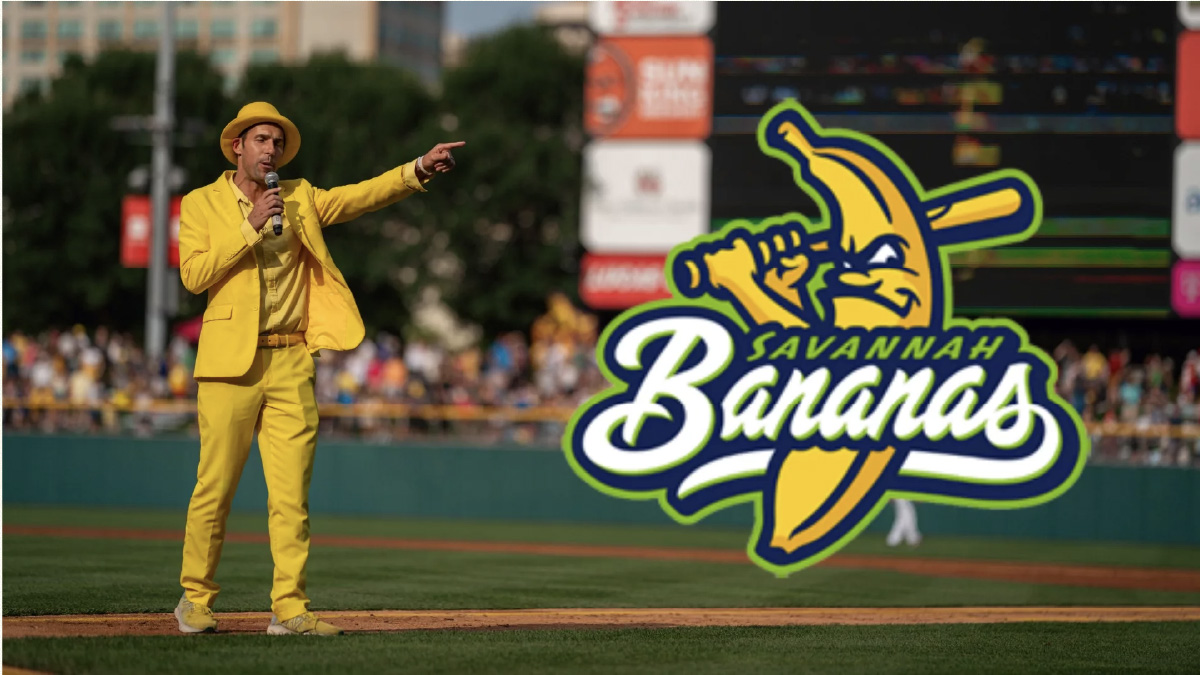
Jesse spends thousands of dollars he doesn’t have on a logo.
His team tells him it’s insane. They can’t afford it. They’re broke.
Jesse looks at the designer and says:
“I want a badass banana. This can’t be soft.”
That moment matters more than it seems.
This wasn’t a visual identity decision.
It wasn’t about aesthetics.
It was a declaration of intent.
Because Jesse understood something most leaders only grasp once it’s too late:
If the brand isn’t remarkable, nothing else matters.
Today, the Savannah Bananas have:
- A 3.2 million-person waitlist
- Over 2 million tickets sold this year
- A valuation north of $100 million
- No investors
- No debt
- Total control
He didn’t compromise his way there.
He went all in on brand — when he had absolutely nothing.
Conviction Before Comfort
Most organisations do the opposite.
They invest in brand once they can afford it.
They protect margin first and belief second.
They wait for certainty.
Jesse didn’t wait.
He named the team the Bananas when everyone told him it was ridiculous.
He got booed walking down the street in his own city.
Local press called the name embarrassing. Sports columnists said he should be run out of town.
He kept going.
Because if people don’t feel something — strongly — you don’t have a brand. You have a product.
The logo.
The yellow tuxedo.
The dancing players.
The all-inclusive tickets.
Every decision that looked reckless through a business lens made perfect sense through a brand lens.
When Brand Decisions Look Like Madness
Two weeks before COVID hit, Jesse removed all sponsorships.
Hundreds of thousands of dollars in revenue. Gone.
Any CFO would panic.
Any board would shut it down.
Jesse’s response was simple:
“We work for one person. The fan.”
Later, when major broadcasters came calling, they wanted exclusivity. Big money. Guaranteed revenue.
Jesse said no.
Every game stayed free on YouTube.
He waited.
He held his nerve.
They blinked.
Today, the Bananas stream on ESPN and YouTube.
Free for fans. No compromise.
This pattern repeats again and again:
- Ticketmaster controls the experience → Jesse builds his own platform
- The platform breaks → he fixes it, not retreats
- Secondary markets inflate prices → he caps tickets at $35 and absorbs the fees
- Minor leaguers are underpaid → he pays players properly
None of this makes sense on a spreadsheet.
All of it makes sense if you’re building belief.
Fix the Hotdog, Not the Condiments
Even with the dancing, the food, the entertainment, Jesse noticed something troubling.
People were leaving games early.
Most teams would add promotions.
More fireworks. Louder music. Better condiments.
Jesse blew up baseball.
He created Banana Ball.
Eleven new rules.
Games under two hours.
Fans catch a foul ball — the batter’s out.
No walks. Just sprints.
Every inning counts.
A golden batter in the ninth.
He asked the question most organisations never dare to ask:
What if we rebuilt this purely for joy?
Because mediocre baseball wrapped in great entertainment is still mediocre.
The hotdog needed fixing.
What This Level of Conviction Builds
Three million people waiting for tickets.
Football stadiums sold out for a baseball exhibition.
More TikTok followers than every MLB team combined.
Fans defend the brand online.
Wear the merch as identity, not merchandise.
Travel across the country just to attend.
At Fenway Park, 38,000 people sang Yellow with their phone lights on.
You can’t buy that.
You can’t manufacture it.
You can only earn it by refusing to compromise.
Why This Should Make You Uncomfortable
Because most businesses are doing the opposite.
They’re hedging.
Optimising short-term revenue.
Adding fees because “everyone does.”
Compromising experience because it’s expensive.
Making safe business decisions instead of bold brand ones.
And slowly draining belief.
Jesse Cole proves the bold choice isn’t the risky one.
The risky choice is playing it safe.
The Real Question
You have more resources than Jesse had sleeping on that air mattress.
More stability than seven figures of debt.
More permission than he ever did.
So what are you still compromising?
What are you cutting today that will quietly cost you tomorrow?
Jesse already answered whether going all in on brand works.
The only question left is whether you have the conviction to do it.
–––––––––––
If this resonated, you might also like Stop Making Business Decisions →