The Wrong Bottle
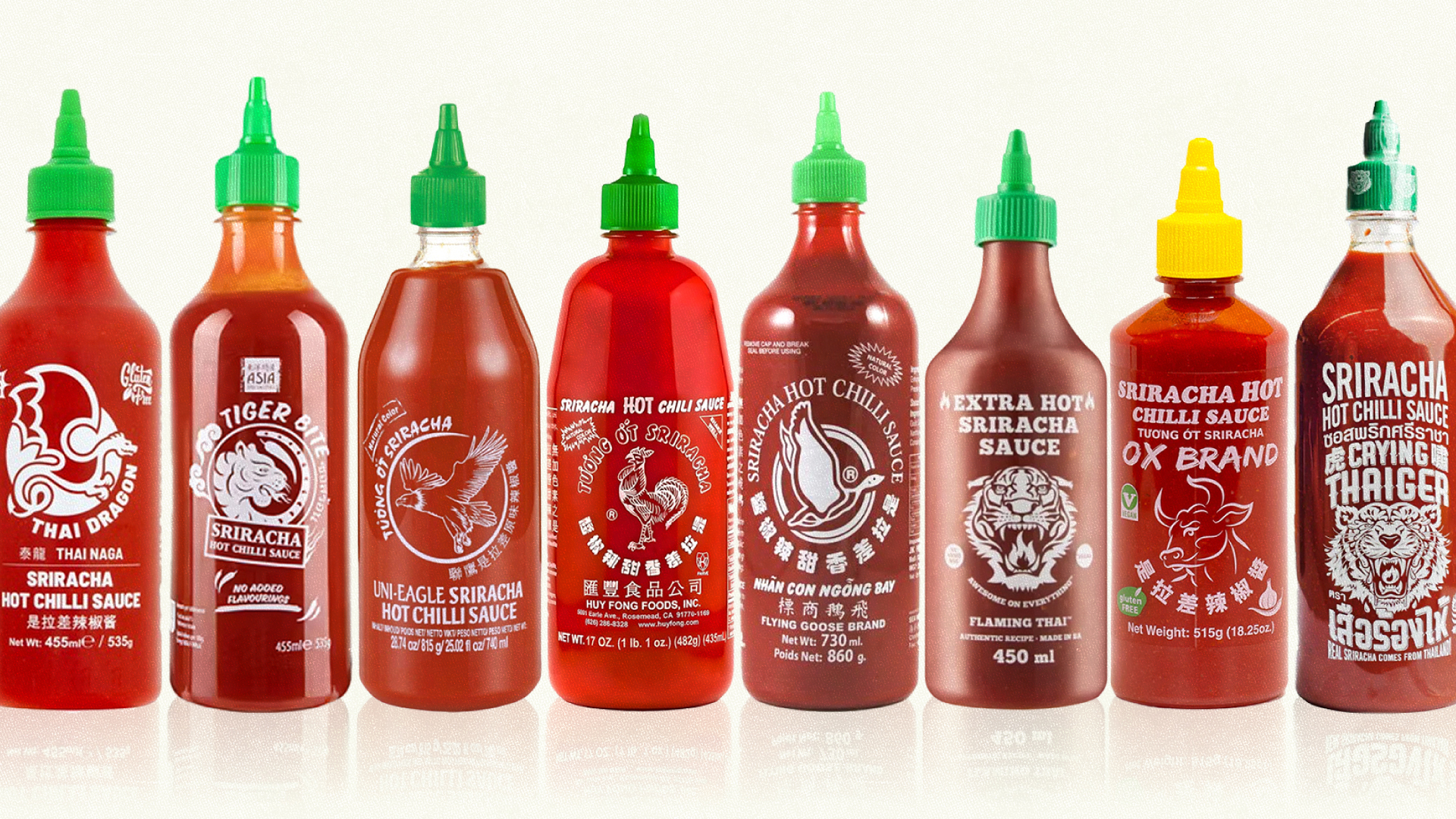
Last week, my wife bought sriracha. My 10-year-old daughter and I immediately knew it was the “wrong” one, not the iconic rooster bottle we expected
But my wife had no idea. To her, it looked like the usual red sauce in a clear bottle with a green cap. She saw sriracha and bought sriracha. Mission accomplished.
That small kitchen moment reveals one of the most expensive strategic mistakes in modern business: creating a category without owning it.
The Anti-MBA Darling
David Tran’s story reads like a business school fairy tale.
-
Vietnamese refugee arrives in America with $3,000 and a recipe.
-
First month’s sales: $2,300 from a Chevy van.
-
By 2019: $150m empire—built with zero advertising, no salesforce, no strategy decks.
His mantra? “Competitors are free advertising.”
It looked like proof that authenticity alone could conquer the world. But authenticity without protection is vulnerability in disguise.
From King to Commodity
By 2020, Huy Fong’s sriracha was valued at $1 billion. For many Americans, “sriracha” meant the rooster bottle.
But today?
-
Sales down ~50% year-on-year.
-
Sky Valley +193%.
-
Weak Knees +112%.
-
Yellowbird +374%.
Tran created the market, educated consumers, proved demand, and then handed the spoils to rivals.
The Copycat Economy
Every element of Huy Fong’s success was easy to copy:
-
Clear bottle, red sauce, green cap.
-
White screen-printed rooster.
-
The generic word sriracha.
When his supply faltered, competitors filled the gap seamlessly.
Distinctive assets don’t defend themselves. If you don’t protect how your brand is found—visually, verbally, culturally—someone else will.
Category creation without brand moats isn’t strategy. It’s charity for competitors.
The Supply Chain Catastrophe
For nearly 30 years, Huy Fong relied on one farm: Underwood Ranches. In 2016, a payment dispute severed the partnership. A jury awarded the farmer $23m.
Underwood then launched its own sriracha—using the same peppers that built Huy Fong’s taste profile. Meanwhile, Huy Fong’s factory sputtered, plagued by shortages.
The partner that enabled its rise became the vehicle for its displacement.
The Heinz Test
In Mad Men, Don Draper pitched Heinz with a plate of fries and the line: “Pass the ketchup.”
No logo needed. Because ketchup meant Heinz. That’s the power of brand, That’s ownership.
Tran came close—but never locked it in legally or strategically. That’s the difference between being a product on the shelf and being understood as the category shorthand.
When Confidence Becomes Complacency
Tran’s refusal to advertise. His anti-corporate stance. His focus on product above all else.
These created his success. But at scale, they became liabilities.
The brutal reality: the qualities that make you a great category creator can destroy you as a category leader.
Netflix, Tesla, Beyond Meat—same story. The pioneer pays the price, competitors reap the benefits.
The Kitchen Counter Test
My wife’s purchase wasn’t “wrong.” It was rational. She wanted sriracha, saw something that looked like sriracha, and bought it.
That’s the test of brand strength: what happens when the casual buyer—the one without deep brand knowledge—makes the decision?
For loyalists, the brand is loved. But when the casual shopper can’t tell the difference, that love isn’t enough.
The New Rules for Category Creators
Category creation is still powerful—but the rules have changed:
-
Know which game you’re playing. Create and defend, or be prepared to share.
-
Be distinctiveness. Bottle shapes, names, taste profiles—if you don’t own them, they’ll be copied.
-
Treat suppliers as strategic assets. Partners can become competitors.
-
Build mental shortcuts, not just products. Heinz owned ketchup. Coke owned cola. They built inevitability.
That’s how brands are lived—through assets, relationships, and rituals competitors can’t steal.
The $1 Billion Lesson
David Tran proved you can create a billion-dollar category with authenticity and obsession. He also proved that’s not enough to keep it.
The sriracha market is now worth $1 billion and growing. His share keeps shrinking.
That’s the cost of mistaking category creation for category ownership—the most expensive business lesson in condiment history.
So the next time someone tells you, “just make a great product and let word-of-mouth do the work,” ask them to pass the sriracha. Then watch which bottle they reach for.
Brands succeed when they’re Found, Understood, Lived, and Loved. Connect in FULL®.